Escríbenos a:

DIGEMID Peru
Regulatory authority for pharmaceuticals, medical devices and health products
DIGEMID is Peru’s national authority responsible for the regulation, registration and oversight of pharmaceutical products, medical devices, in vitro diagnostics and other health products. For international manufacturers, understanding DIGEMID requirements is the first step toward successful market entry in Peru.
What is DIGEMID?
The General Directorate of Medicines, Supplies and Drugs (DIGEMID) is the Peruvian health authority within the Ministry of Health. It establishes and applies the regulatory framework governing healthcare products throughout their lifecycle.
For foreign manufacturers, DIGEMID is the key authority for obtaining sanitary registration and maintaining regulatory compliance before and after commercialization in Peru.
✓ Ensures public health
Oversees the safety, quality and performance of regulated products.
✓ Authorizes marketing
Evaluates sanitary registration applications required for commercialization.
✓ Oversees quality and safety
Maintains post-market surveillance and regulatory control.
✓ Part of the Ministry of Health
Operates within Peru’s national healthcare regulatory framework.

Products regulated by DIGEMID
DIGEMID regulates multiple categories of healthcare products entering the Peruvian market.

Pharmaceuticals
Medicines and pharmaceutical products require sanitary registration and compliance with the applicable DIGEMID pathway.
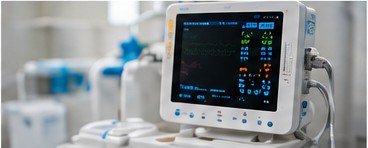
Medical devices
Medical devices are regulated according to their classification and the applicable technical and documentary requirements.

In vitro diagnostics
IVDs are subject to DIGEMID registration requirements based on their intended use, risk and supporting evidence.

Other health products
Additional health-related product categories may also fall under DIGEMID oversight and require local regulatory assessment.
DIGEMID regulatory process overview
01
Regulatory assessment
Determine product category, classification, pathway and documentation requirements.
02
Dossier preparation
Prepare and review the technical and administrative documentation required for submission.
03
Submission to DIGEMID
File the application and official documentation with the Peruvian regulatory authority.
04
Evaluation and approval
Support the evaluation stage and respond to observations or additional information requests.
05
Maintenance and compliance
Manage post-approval changes, renewals and ongoing regulatory obligations.
What DIGEMID means for international manufacturers
International manufacturers need a regulatory strategy adapted to Peru. The correct registration pathway, supporting certificates, technical dossier and local regulatory structure must be defined before submission. IzzoMed helps manufacturers evaluate these requirements and coordinate the process locally, while preserving flexibility for their future commercial strategy.
How IzzoMed can support your company in Peru
Medical device registration
Regulatory assessment and registration support for medical devices.
Pharmaceutical registration
Registration support for pharmaceutical products under DIGEMID requirements.
IVD registration
Local regulatory support for in vitro diagnostic products.
Regulatory affairs
Regulatory strategy, dossier review and lifecycle support in Peru.
Local registration holder
Local representation and registration-holder solutions designed to preserve commercial flexibility.
Importation & market entry
Importation, storage, distribution support and commercial market-entry services.
Partner with a trusted regulatory expert in Peru
From regulatory assessment and DIGEMID registration to local representation, importation and market-entry support, IzzoMed provides an integrated pathway for international healthcare manufacturers entering Peru.
Discuss Your Peru Regulatory Strategy
Frequently asked questions about DIGEMID Peru
What is DIGEMID in Peru?
DIGEMID is the Peruvian authority responsible for regulating medicines, medical devices and other health products within the Ministry of Health.
What products are regulated by DIGEMID?
DIGEMID oversees pharmaceutical products, medical devices, in vitro diagnostics and other regulated health products.
Do foreign manufacturers need local representation in Peru?
Foreign manufacturers generally need an appropriate local regulatory structure to hold or manage sanitary registrations and interact with the Peruvian authority.
How long does DIGEMID registration take?
Timelines depend on the product category, classification, dossier quality and regulatory pathway. A product-specific assessment is recommended before defining a project timeline.
What documentation is required?
Requirements vary by product and may include administrative certificates, quality documentation, technical information, labeling, instructions for use and supporting safety or performance evidence.
How can IzzoMed support international manufacturers?
IzzoMed supports regulatory assessment, dossier preparation, sanitary registration, local representation and broader market-entry activities in Peru.
On this page
Planning a regulatory submission · Choosing the pathway · From approval to market entry · Regulatory support
Planning a regulatory submission in Peru
A successful submission starts before the dossier is filed. International manufacturers should first define the intended use, product configuration, manufacturing sites and documentation available for the Peruvian market. This preliminary review helps determine the appropriate regulatory route and highlights gaps that could otherwise lead to observations during evaluation.
It is also useful to align product names, models, labels and certificates before translations and document formalities are completed. A structured gap assessment can reduce unnecessary rework and gives the manufacturer a clearer view of the information that will be needed for the local application.
Choosing the appropriate registration pathway
The applicable pathway depends on the type of healthcare product and its regulatory characteristics. Medical devices and in vitro diagnostics require an assessment that considers classification, intended purpose and technical evidence. Pharmaceutical products follow their own sanitary registration framework and quality requirements.
Documentation issued for other markets does not automatically constitute a complete Peruvian dossier. Certificates, technical files, labeling and supporting evidence should therefore be reviewed against the procedure applicable to the specific product before submission.
From regulatory approval to market entry in Peru
Regulatory approval should be coordinated with the manufacturer’s broader market-entry plan. Decisions concerning the local registration holder, importer, storage, distribution and commercial partners can affect how the business is structured after approval. Defining these functions early helps clarify regulatory responsibilities and operational dependencies.
For an international manufacturer, separating regulatory representation from commercial distribution can also preserve flexibility when evaluating distributors, negotiating commercial arrangements or expanding a portfolio. The appropriate structure depends on the company’s objectives, products and long-term strategy in the Peruvian market.
Regulatory support for international manufacturers
IzzoMed supports foreign healthcare manufacturers from the initial regulatory assessment through dossier preparation, submission coordination and post-approval activities. Where required by the project, support can also extend to local representation, importation, storage and commercial market-entry planning.
The objective is to create a compliant and practical route to the Peruvian healthcare market while allowing the manufacturer to retain visibility over its regulatory assets and make informed decisions about its future commercial structure.